
Best Piles Clinic in Nashik
About Us
Our center is dedicated to providing exceptional care for anorectal diseases through advanced, painless treatments like Laser and Ksharsutra therapy, where tradition seamlessly meets technology. We not only focus on effective treatments but also empower patients with preventive knowledge to support long-term health and well-being.
Why Dr. Mahajan's Piles Care A Superspeciality Clinic?
- For complete scientific, authentic diagnosis & treatments.
- For both surgical & non surgical solutions.
- For painless treatment.
- Say"No" to recurrence & fecal incontinence after surgery.
- For faith, sincerity & gentle care.
I visited at healing hands clinic with my cousins good communication dr Yuvraj Mahajan sir and satisfied with he’s treatment and relief after surgery wound clear within 3 weak after surgery no pain and follow are very painless thank u dr Yuvraj and their team
We Were referred to Healing Hands Clinic by our family friend. We are much satisfied by the hospitality and treatment given by the whole team. Our patient was treated in an friendly manner and is much comfortable after the surgery. Dr. Yuvraj sir really good and helping nature we Are too much satisfied with your treatment. The way he speaks heals the pain.
Welcome To Dr. Mahajan's Piles Care A Superspeciality Clinic
Our clinic specializes in managing complex anorectal cases, including challenging and recurrent horseshoe fistulas. Using a unique combination technique, we have successfully treated over 2500 such cases with a 0% incontinence rate, with follow-up periods extending over 5 years. This success is a testament to our dedication to high-quality, precise care.
One of our key offerings is the Ksharsootra therapy, a highly regarded Ayurvedic treatment for piles and fistula. This therapy, revitalized by Dr. Yuvraj Mahajan, uses a special medicated thread (seton) that has proven benefits in treating anorectal conditions, especially fistulas. Ksharsootra therapy provides an effective, minimally invasive option, allowing patients a quicker recovery and relief without compromising on treatment efficacy.
Our clinic remains committed to combining traditional Ayurvedic wisdom with advanced medical practices, ensuring our patients receive holistic, effective, and patient-centered care.
Meet Our Piles Specialist Doctor in Nashik
Dr. Yuvraj Mahajan is a Ayurveda in H P T College, Nashik and has an experience of 9 years in this field. Dr. Yuvraj Mahajan practices at Healing Hands Clinic in H P T College, Nashik. He completed BAMS from Maharashtra Universtity of Health Sciences, Nashik in 2010 and MS - Ayurveda from Maharashtra Universtity of Health Sciences, Nashik in 2015.
Why Choose Us
Key Feature of Dr. Mahajan Piles Care ?
- 60% off on Diagnostics.
- Confidential Consultation.
- Private Room.
What are Piles?
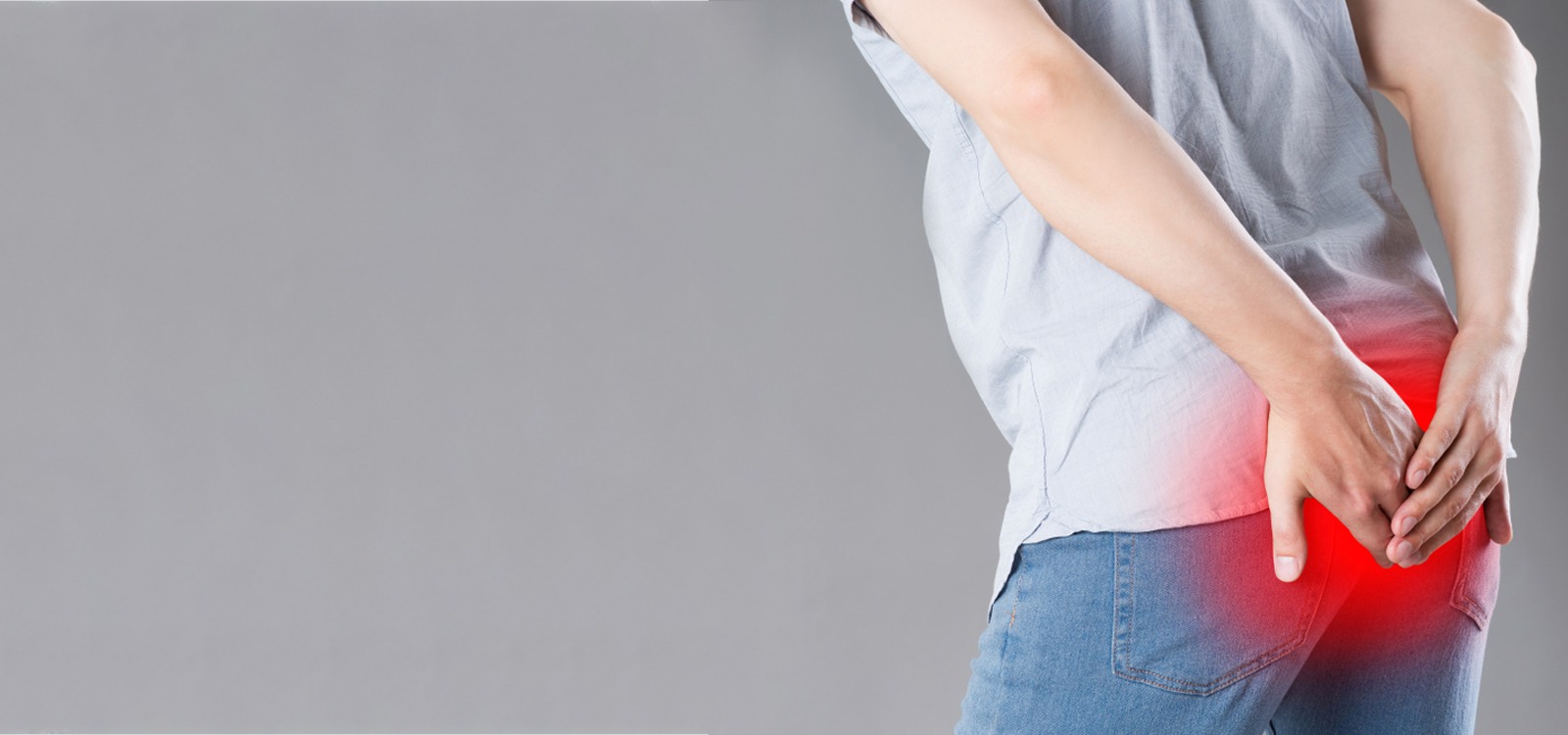
Piles, medically known as hemorrhoids, are swollen veins located around the rectum or anus. These veins can become inflamed and enlarged, leading to discomfort, pain, and sometimes bleeding during bowel movements. Piles can occur internally inside the rectum or externally around the anus.
Are there different types of piles?
Yes, piles, also known as hemorrhoids, can be categorized into several types based on their location and severity:
- Internal Piles: These occur inside the rectum and are not visible from outside the body. Internal piles are usually painless but may cause bleeding during bowel movements.
- External Piles: These develop under the skin around the anus and are visible from the outside. External piles may cause pain, itching, and discomfort, especially during bowel movements.
- Prolapsed Piles: When internal piles protrude outside the anus, they are known as prolapsed piles. Prolapsed piles can cause significant discomfort and may require medical intervention.
- Thrombosed Piles: When blood clots form within external piles, they are called thrombosed piles. These can cause severe pain, swelling, and inflammation and may require prompt medical treatment.
- Mixed Piles: Some individuals may experience a combination of internal and external piles, known as mixed piles. These can present with a variety of symptoms, including bleeding, pain, and itching.
Understanding the type of piles you have is essential for determining the most appropriate treatment approach. If you suspect you have piles or are experiencing symptoms, it’s important to consult a healthcare professional for an accurate diagnosis and personalized treatment plan.
Causes of Piles:
Several factors contribute to the development of piles, including:
- Straining during Bowel Movements: Chronic constipation or diarrhea can lead to straining during bowel movements, increasing pressure on the veins in the rectal area.
- Pregnancy: The increased pressure on the abdomen during pregnancy can lead to the development of piles.
- Sedentary Lifestyle: Lack of physical activity or prolonged sitting can contribute to poor blood circulation and increase the risk of developing piles.
- Obesity: Excess weight puts additional pressure on the veins in the lower rectum and anus, increasing the likelihood of developing piles.
- Genetics: Some individuals may have a genetic predisposition to developing piles.
Symptoms of Piles:
The symptoms of piles can vary depending on the type and severity of the condition. Common symptoms include:
- Pain or Discomfort: Piles can cause pain, itching, or discomfort in the anal area, especially during bowel movements or while sitting.
- Bleeding: Bright red blood may be visible on toilet paper or in the toilet bowl after a bowel movement.
- Swelling or Lump: External piles may appear as a swollen lump around the anus, which may be tender to the touch.
- Anal Itching: Irritation and itching around the anus are common symptoms of piles.
- Mucus Discharge: Some individuals may experience mucus discharge from the anus.
Treatment of Piles:
The treatment of piles depends on the severity of the condition and the individual’s symptoms. Common treatment options include:
- Lifestyle Modifications: Adopting a high-fiber diet, drinking plenty of water, and maintaining regular bowel habits can help alleviate symptoms and prevent the worsening of piles.
- Medications: Over-the-counter creams, ointments, or suppositories may provide relief from pain, itching, and inflammation associated with piles.
- Sclerotherapy: This procedure involves injecting a chemical solution into the blood vessels around the piles, causing them to shrink.
- Rubber Band Ligation: In this procedure, a rubber band is placed around the base of the pile to cut off its blood supply, causing it to shrink and fall off.
- Hemorrhoidectomy: Surgical removal of the piles may be recommended for severe cases or when other treatments have failed to provide relief.
Why Laser Procedure?
- No stitches
- 30 min procedure
- Join work in 2 days
Don’t Delay Laser Treatment if have
- Extreme Pain While Sitting
- Excessive Bleeding in Stool
- Prolapsed Hemorrhoids
- Infection
Recovery from Piles:
Recovery from piles treatment varies depending on the chosen treatment method and the individual’s overall health. In general, most people experience relief from symptoms within a few days to a couple of weeks after starting treatment. Following the healthcare provider’s recommendations, including taking prescribed medications, following a healthy diet, and avoiding straining during bowel movements, can aid in faster recovery.
It’s essential to maintain good bowel habits and a healthy lifestyle to prevent the recurrence of piles. In some cases, lifestyle modifications alone may be sufficient to manage piles effectively and prevent them from worsening.
In conclusion, piles are a common condition that can cause discomfort and inconvenience, but with proper treatment and lifestyle modifications, most individuals can find relief and lead a comfortable life. It’s essential to consult a healthcare provider for an accurate diagnosis and personalized treatment plan tailored to individual needs.
Diagnosis of Piles
Diagnosing piles typically involves a thorough review of medical history, physical examination, and may include procedures such as anoscopy or sigmoidoscopy. Dr. Yuvraj Mahajan, a dedicated Ayurvedic piles specialist in Nashik, utilizes both traditional Ayurvedic insights and advanced diagnostic techniques to deliver precise diagnoses and effective treatments.
What types of food should I eat if I have Piles?
If you’re dealing with Piles, it’s important to include foods in your diet that promote smooth bowel movements and alleviate discomfort. Here’s what you should focus on:
- High-Fiber Foods: Incorporate plenty of whole grains like brown rice and oats, along with fruits such as apples and berries, vegetables like broccoli and spinach, legumes, nuts, and seeds. These foods help add bulk to your stools, making them easier to pass and reducing the likelihood of constipation.
- Fluids: Stay well-hydrated by drinking plenty of water throughout the day. Additionally, include hydrating fluids like herbal teas and clear soups to keep your stools soft, aiding in smoother bowel movements.
- Healthy Fats: Include sources of healthy fats in your diet, such as avocados, nuts, seeds, and fatty fish like salmon. These fats help lubricate the digestive tract and may reduce inflammation, providing relief from Piles discomfort.
- Probiotic Foods: Incorporate probiotic-rich foods like yogurt, kefir, and fermented vegetables into your diet. These foods contain beneficial bacteria that support gut health and digestion, potentially reducing symptoms associated with Piles.
By focusing on these types of foods, you can help manage Piles symptoms and promote better digestive health.
Are there specific foods I should avoid if I have Piles?
Yes, certain foods can exacerbate Piles symptoms and should be avoided. Here’s what you should steer clear of:
- Low-Fiber Foods: Minimize your intake of processed foods, white bread, white rice, and sugary snacks. These low-fiber foods can contribute to constipation, making Piles symptoms worse.
- Spicy Foods: Avoid spicy dishes, as they can irritate the digestive tract and increase discomfort associated with Piles.
- Alcohol and Caffeine: Limit or avoid alcohol and caffeinated beverages like coffee and tea, as they can dehydrate the body and lead to harder stools, exacerbating Piles symptoms.
- Processed Meats: Cut back on high-fat and processed meats such as sausage, bacon, and deli meats. These foods are difficult to digest and may worsen Piles discomfort.
By avoiding these foods and focusing on a diet rich in fiber, fluids, healthy fats, and probiotics, you can help manage Piles symptoms and promote better digestive health.
Services


Call an Appointment Here
Do You Want To Get A Free Consultation?
We are always ready to welcome you in our center!